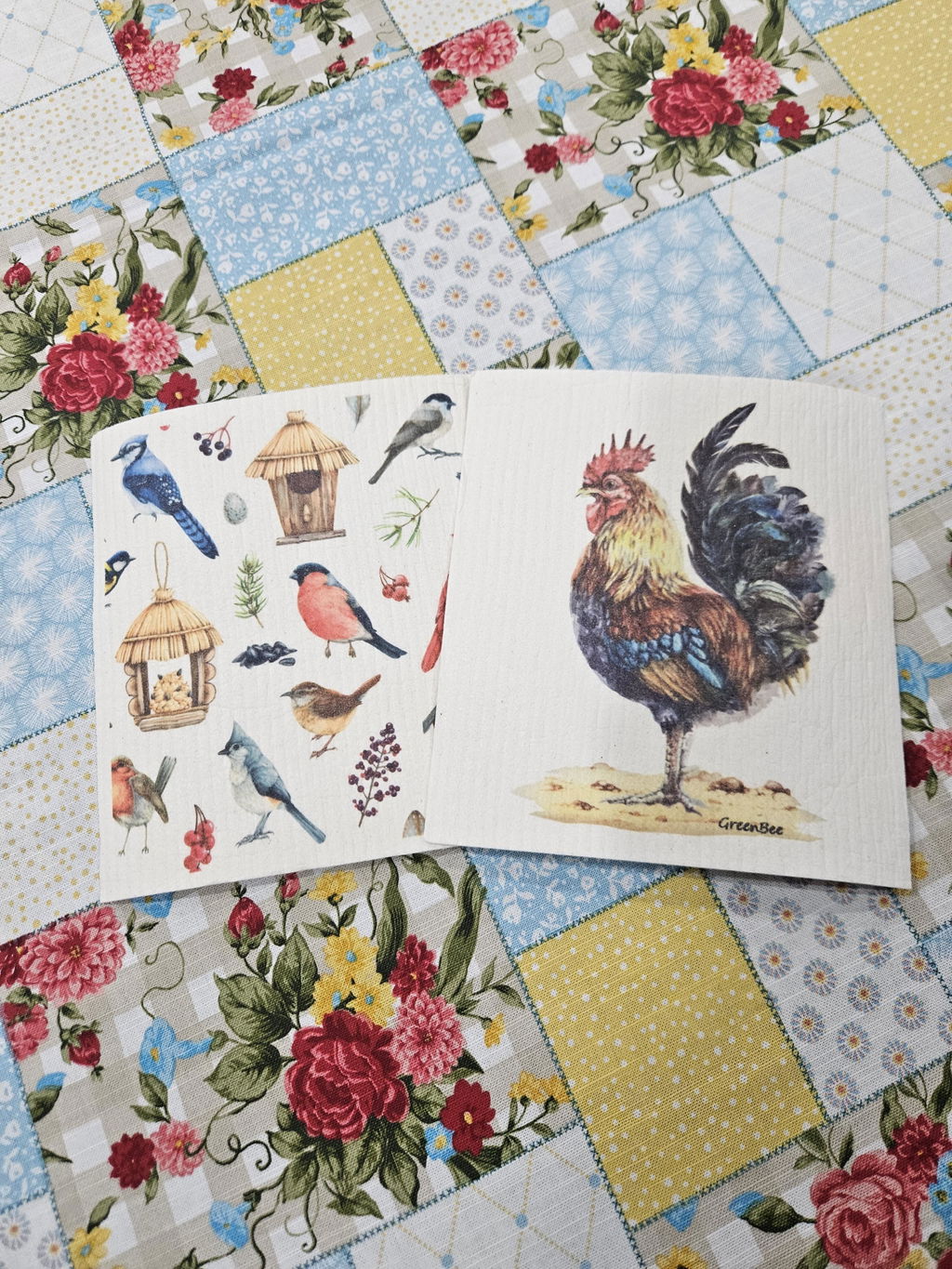
Swedish Dish Cloths: How They Work for Everyday Cleaning Tasks
Share
Swedish dish cloths have become a beloved staple for those seeking a smarter, greener approach to everyday cleaning tasks. Ever wonder why these brightly patterned cloths have taken kitchens by storm? Their unique composition and absorbency make swedish dish cloths a standout alternative to paper towels and traditional sponges. They are designed to handle everything from wiping spills to polishing surfaces with ease. In this article, we’ll dive deep into what Swedish dish cloths are, how they function, and why they can revolutionize the way you maintain a clean home daily.
Understanding Swedish Dish Cloths
What Are Swedish Dish Cloths Made Of?
Swedish dish cloths are composed primarily of cellulose and cotton, a blend that results in an ultra-absorbent yet lightweight cleaning cloth. Typically, the cloths contain about 70% sustainably sourced cellulose derived from wood pulp and 30% cotton, often repurposed from cotton waste. This eco-friendly composition not only ensures high durability but also makes the cloths fully compostable after their lifespan.
The History Behind the Name
Originating in Sweden in the mid-20th century, Swedish dishcloths were originally engineered to combine the best features of sponges and towels. The goal was to create a reusable cloth that dries quickly yet absorbs like a sponge. Hence, they earned the affectionate nickname “swedish dishcloths” or “wettex” cloths, becoming a household essential due to their multifunctionality and sustainability.
How Swedish Dish Cloths Work for Cleaning Tasks
Absorbency and Cleaning Power
One of the key qualities of Swedish dishcloths is their impressive absorbency. Thanks to the cellulose fibers’ structure, they can soak up approximately 15 times their weight in liquid, making even large spills manageable with just a single cloth. When dampened, swedish dishcloths become soft and pliable, allowing them to trap dirt, grease, and grime effectively.
Quick Drying and Bacteria Resistance
Unlike traditional kitchen sponges, Swedish dish cloths dry rapidly after use. This quick drying feature discourages bacterial growth and unpleasant odors, making them a more sanitary choice. Their ability to air dry within hours coupled with the woven cellulose texture ensures your cleaning cloth remains fresh for multiple uses.
Practical Uses of Swedish Dish Cloths in the Home
- Wiping kitchen counters and stovetops
- Absorbing spills on floors and tables
- Cleaning and polishing glass, stainless steel, and mirrors to a streak-free shine
- Washing and drying dishes gently without scratching
- Dusting furniture and wiping baseboards
- Cleaning bathroom surfaces including sinks and tiles
- Detailing car dashboards and windows
Versatility Across Surfaces
Swedish dishcloths are gentle enough for delicate surfaces like glass and stainless steel but sturdy enough to tackle tougher grime on countertops and sinks. Their fine weave helps avoid lint or residue, making them ideal for multiple cleaning tasks around the house.
Eco-Friendly Cleaning Companion
These cloths work fabulously with just water for light cleaning or with natural soaps and cleaning solutions for tougher messes. Many users enjoy the ability to reduce chemical use while still achieving sparkling results.
Proper Care Tips for Swedish Dishcloths
Daily Maintenance
After each use, rinse your swedish dishcloth under warm water to remove food particles and dirt. Wring it out and hang it somewhere well-ventilated to dry quickly and stay fresh longer.
Deep Cleaning Methods
To keep your dishcloth hygienic, machine wash it regularly with other laundry or run it through the dishwasher. For a natural disinfecting method, dampen the cloth and microwave it for 1–2 minutes—just be sure it’s wet to avoid sparks. Some also prefer boiling the cloth briefly to eliminate germs.
Swedish Dishcloths vs Traditional Cleaning Tools
Swedish Dishcloths vs Paper Towels
Paper towels are convenient but create massive waste. A single Swedish dishcloth can replace up to 15 rolls of paper towels over its lifespan, significantly reducing household waste and expenses. They’re washable, durable, and far more eco-friendly while providing superior absorbency and cleaning power.
Swedish Dishcloths vs Kitchen Sponges
While sponges are handy, they tend to harbor bacteria and odors due to slow drying. Swedish dishcloths dry quickly and resist bacterial growth, making them a cleaner, healthier choice. Their smooth texture also minimizes the risk of scratching surfaces.
Why Switch to Swedish Dish Cloths? Benefits at a Glance
- Highly absorbent: soak up spills quickly and effectively.
- Reusable and durable: lasts for months with proper care.
- Eco-friendly: compostable and reduces paper towel waste.
- Sanitary: quick drying reduces bacteria and odors.
- Multi-purpose: suitable for kitchens, bathrooms, cars, and more.
- Cost-effective: saves money over buying disposable cleaning products.
- Stylish: available in vibrant patterns and colors.
Environmental Impact
Using swedish dishcloths contributes to less landfill waste and less deforestation caused by paper towel production. Their biodegradable properties mean no plastic residues or harmful microfibers end up in the environment.
Economic Advantages
Though the initial investment in Swedish dishcloths may be higher than buying a pack of paper towels, the longevity of each cloth means you spend far less over time. You’ll quickly notice these cloths pay for themselves.
Getting Started: How to Use Swedish Dishcloths for Your Daily Cleaning
Simple Steps to Effective Cleaning
Start by wetting your swedish dishcloth with warm water until it’s damp but not dripping. Use it just like you would a sponge or paper towel—wipe surfaces, absorb spills, scrub lightly, and polish. When finished, rinse and wring the cloth, then hang it to dry.
Incorporating into Your Cleaning Routine
Keep a few cloths handy in your kitchen or cleaning caddy—each designated for different tasks such as dishwashing, wiping counters, or polishing. This practice helps prevent cross-contamination and extends the usefulness of each cloth.
As part of maintenance, once the cloths begin to look worn or stained, toss them in your washing machine or dishwasher for a thorough clean. Remember, Swedish dishcloths can endure hundreds of washes, so they’ll be your trusty cleaning companion for many months.
In summary, swedish dish cloths are a clever, eco-friendly, and cost-effective solution for everyday cleaning needs. Their absorbency, quick drying, and versatility make them perfect for tackling spills, polishing surfaces, and reducing waste without sacrificing performance. Ready to make your cleaning routine greener and more efficient? Explore our selection of swedish dish cloths and embrace a cleaner, more sustainable home today!